
 Upcoming Courses
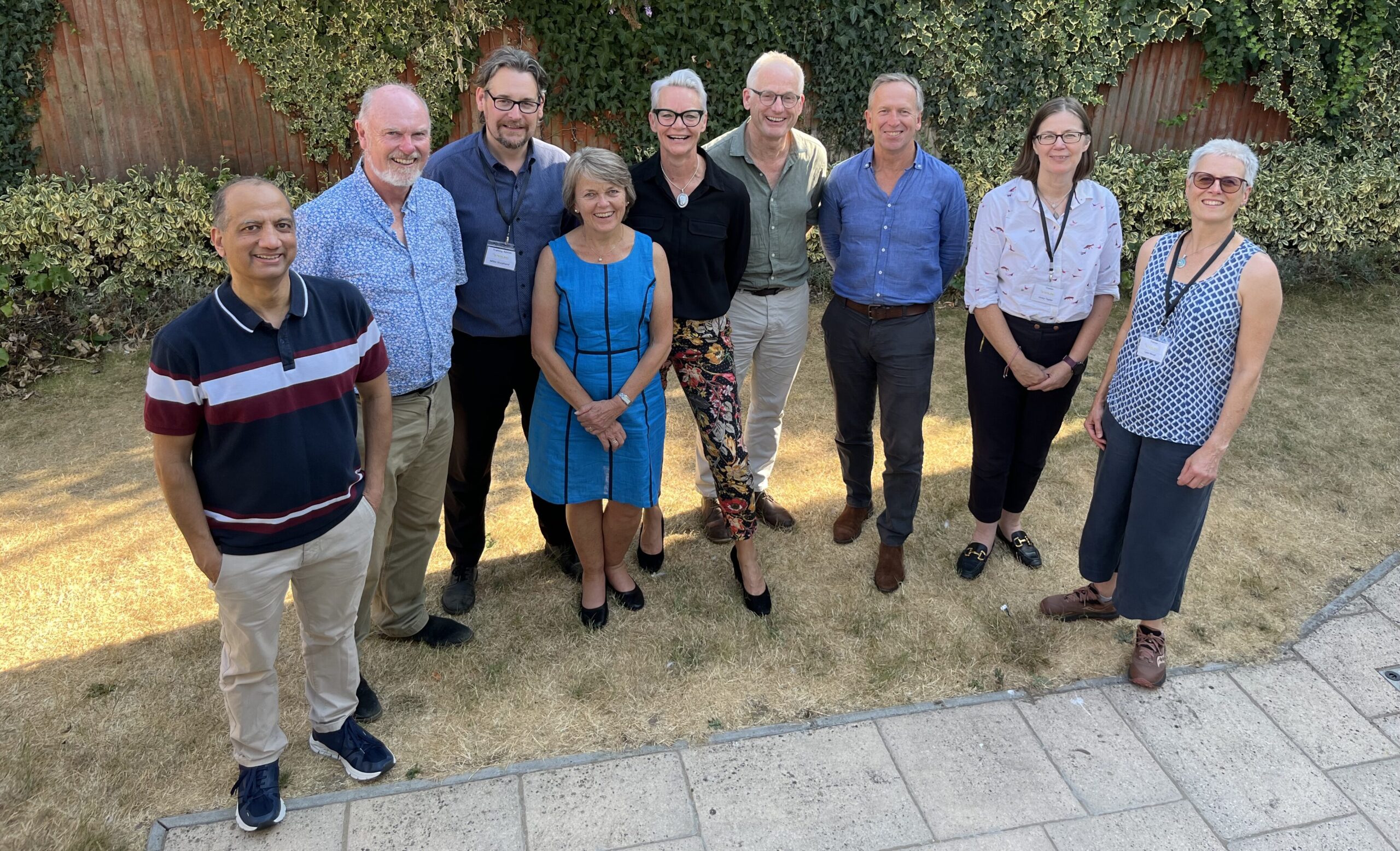
At Sterling Training, we spend a great deal of time helping organisations develop confident, capable trainers. But in August, it was our own trainers who took their place on the other side of the classroom.
Over five days, Sterling’s Training Manager, Richenda Askew, delivered an intensive Train the Trainer development programme as part of our ongoing commitment to professional development and continuous improvement.
Bringing together trainers from across our team, the programme provided an opportunity to step back from day-to-day delivery, revisit key training principles, share experiences and explore new approaches to learning and development. While there was no shortage of experience in the room, the focus was not on teaching people how to train. Instead, it was about challenging assumptions, exchanging ideas and reflecting on how we can continue to enhance the learning experience for our delegates.
The programme was particularly relevant to Sterling’s Training International Learners and Trainees (TILT) programme, one of our flagship courses designed to support trainers working with learners who speak English as a second or third language. TILT helps instructors navigate language barriers, cultural differences and varying learning preferences, providing practical techniques to increase engagement, participation and learning outcomes.
Throughout the week, participants experienced a range of learner-centred training techniques designed to demonstrate how environment, movement, interaction and reflection can influence learning. Exercises took place in different locations and learning spaces, encouraging trainers to consider how context affects attention, recall and engagement.
The discussions reinforced an important principle that sits at the heart of both TILT and Sterling’s wider training philosophy: effective training is about much more than subject knowledge. Even the most knowledgeable trainer must consider how learners engage with information, how they process it and how they apply it in practice. Activities should not be included simply to make a session more interactive. Each one should have a clear purpose and contribute to the learning experience.
One of the most valuable aspects of the programme was the opportunity for trainers to learn from one another. Drawing on experience gained across military, defence, corporate and educational environments, participants shared techniques, challenges and examples of good practice, creating a rich learning environment built on collaboration and professional curiosity.
Commenting on the programme, Sterling’s Managing Director, Emma Lacey, said:
“We spend a lot of time encouraging delegates to reflect on their practice, explore new approaches and continue developing their skills. It is important that we do exactly the same ourselves. Experience gives us more to contribute, but it should never mean we stop learning. Programmes like this help ensure our trainers continue to challenge themselves and deliver the very best learning experience for our clients.”
As organisations continue to develop trainers who can work effectively across cultures, languages and learning environments, Sterling remains committed to investing in the professional development of its own team, ensuring that the training we deliver continues to reflect current thinking, practical experience and proven approaches to learning.